



Introduction
We’re Corina and Alina, co-founders of The Orange Notebook, a business transformation consultancy firm. Our work sits at the crossroads of business strategy, marketing & sales, helping clients navigate identity shifts through a blend of strategy, coaching, and psychology.
Originally from Romania, we met at university and later worked in the same marketing field, even sharing an office at one point. Feeling constrained by corporate life, we knew we were meant for more. In early 2020, amidst a toxic work environment and global uncertainty, we took the leap, leaving our jobs without a plan B, just a shared vision and a few savings. That same day, we registered our business, named after an orange notebook filled with our early ideas. With only £30 in our business account, we got to work. 3–4 months later, we landed our first project, a website rebrand, and haven’t looked back since.
Beyond work, we love deep conversations, psychology, escape rooms, and murder mysteries. Alina enjoys hosting and cooking for friends, while Corina loves long walks and Latin dancing.

Take us through the process of designing, improving, and launching your coaching business.
We started The Orange Notebook out of frustration with corporate life, we didn’t share the same values as our employer. We believe in doing things properly, not quick fixes. We believe in real transformation, both for businesses and people. And we understand identity conflicts firsthand, we’ve lived them.
So, we left our jobs to build a business on our own terms. Initially, we focused on marketing, and like many early-stage entrepreneurs, we underpriced our work, not fully valuing our time. In year two, when our third partner stepped back, taking her design expertise with her, we had to pivot. Without the budget to replace those skills, we leaned into what we were already doing: business strategy, marketing consultancy, and coaching. The shift was natural; we just had to make it our core offering rather than a hidden part of the process.
From the start, we embraced value-based pricing, never charging by the hour. Our work goes beyond scheduled sessions, clients get ongoing support, fast responses, feedback, and the feeling of having true partners in their corner.
We began with project-based marketing offers, website rebrands and brand identity. Over time, we integrated consultancy through ongoing sessions. Now, we tailor our work to each client’s needs, whether it’s strategy, marketing, or transformation at a deeper level.
Since launch, what has worked to attract & retain customers?
At first, we didn’t focus much on defining our niche, after all, everyone needs marketing, right? But as we took on more projects, we realized our ideal clients had one thing in common: they were entrepreneurs and businesses in transition, facing identity conflicts on a personal or business level. They were stuck, lacking clarity, and needed real change. We help them with business strategy, brand positioning, marketing, and sales.
We started with Instagram, investing hours daily to create valuable content and maintain an aesthetic grid. While it brought in some clients, the effort, 9 hours a day between three people, was draining and unsustainable. So, we pivoted to LinkedIn. Initially, we handled everything manually, from posting to engagement and outreach. Once we found what worked, we automated parts of the process, and now LinkedIn consistently brings us clients.
We also experimented with email marketing but decided against it. It’s a long-term game that requires significant investment to be effective, so we leaned into what works best for us.
Beyond digital efforts, we actively network locally and in the US. We’re part of networking groups, a local accelerator with 200+ businesses, and industry events. We also host a mastermind with key people for our industry, all of whom play a big role in our marketing and sales strategy.
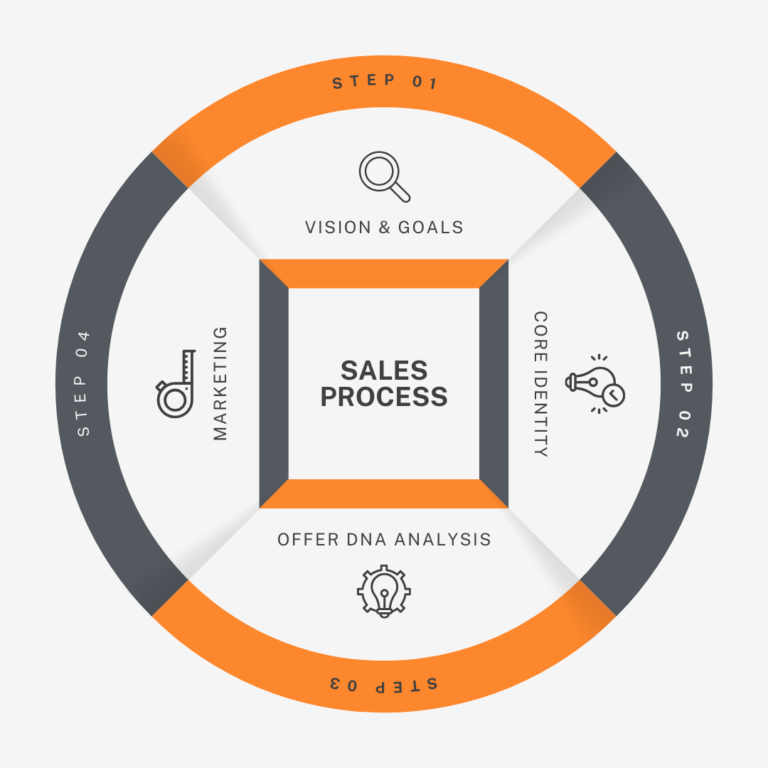
When working with clients, we take a modular, tailored approach, focusing on what the client needs. If someone needs more clients but lacks branding or marketing, we don’t immediately sell them branding, we focus on fixing their sales process first. Once they generate consistent revenue, we revisit branding and marketing. In other cases, when brand identity is the priority, we start there, then continue by helping them implement their new identity, build marketing, and develop their sales function. Everything depends on their specific needs.
Our approach is highly hands-on, we act as true partners to our clients. They trust us with their fears, hesitations, and roadblocks, and we guide them every step of the way. Our work delivers quick, tangible results, leading to strong referrals that fuel our marketing strategy.
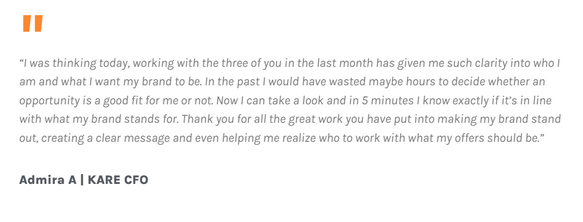
Some feedback from clients:


How are you doing today?
Our monthly revenue fluctuates based on our marketing and sales focus, which is influenced by team capacity. We have a recurring revenue stream of $10K–$12K per month from consultancy work, while branding and marketing projects bring in an additional $10K–$25K monthly.
Most of our projects are profitable, but margins vary. Some require higher-level expertise, increasing costs and reducing gross profit margins.
Our clients don’t buy directly from our website, sales happen through conversations, following a well-tested process. Conversion cycles vary depending on project complexity, with larger projects taking longer. On average, we close 3 out of 5 proposals.
All our sales come from 1:1 engagements. We don’t offer online courses and previously experimented with a low-ticket digital product, selling it organically. However, scaling it required an investment, which we chose not to pursue. We also ran a group/mastermind program, which we enjoyed but decided not to repeat immediately due to its intensity.
Our operations focus on project management, client delivery, and ensuring high client satisfaction. We also oversee sales, conversion, and marketing, with the team handling part of the execution. Every Friday, we hold team meetings to assess our strategy, refine our approach, and align our vision with current operations.
Our team consists of 8 consultants and 5 marketing experts, supporting both high-level strategy and marketing implementation.
What does the future look like?
We don’t have plans to build new products or change our target audience.
Short term, we want to focus on more coaching/consultancy projects as they are easier to convert and deliver, so we want to increase the recurring revenue this way.
The done-for-you projects are also on our radar, but we are becoming more selective as we need to protect the GPM. So long term, we want to find the right balance here.
Of course, we want to expand the team, but that comes with an increase in revenue to be able to pay for extra support, so we are working on it.
What have you learned that’s particularly helpful for someone just starting out?
Like everyone else, we made mistakes at the beginning. We probably spent a lot of time and effort on strategizing and creating the best plan instead of taking action.
We invested a lot of effort into content creation instead of money-making activities.
We undercharged a lot of the time, as we were scared we would lose the client.
It took us a while to figure out our sales process, and there were mistakes in the journey, of course.
We also fell into that trap of wanting to help everyone, even when it wasn’t a good thing for the business.
Some key lessons:
Sales is all about relationships.
If you want to scale, you need to have the right people next to you.
Networking is key to growing your business.
Entrepreneurship is an identity shift, not just a career move.
Resilience is key in this journey.
You need to detach yourself from business outcomes because there will be a lot of “NOs” in the process.
Your idea/offer will evolve, so don’t spend time perfecting it; you can refine it at any point with feedback coming from real conversations.
Your business will evolve, your client will evolve, and you will evolve.
What platform/tools do you use for your business? (Your tech stack!)
- Video recording/editing/hosting: Loom
- Webinars, meetings: Zoom, Google Meet, Microsoft Teams
- Marketing platforms: LinkedIn, Active Campaign, Instagram
- Project management: Asana, Google Drive
- CRM: Capsule CRM, Dripify
- Calendars: Calendly
- AI: ChatGPT, Copy.ai
- Design: Canva
- VA platforms: Upwork
- Accounts: QuickBooks
- Time tracking: Toggl
What have been the most influential books, podcasts, or other resources?
Books:
“Overcoming Underearning” by Barbara Strany.
“High Functioning Anxiety” by Dr Lalitaa Suglani.
“Fix This Next” by Mike Michalowicz.
“The Prosperous Coach” by Steve Chandler.

We attended some interesting workshops in our local accelerator, so not something we can share with others as they are not available to the public.
We haven’t done online courses in ages, but at the beginning, we bought courses about Instagram selling, funnel development, etc.
Influential people:
Advice for other coaches who want to get started or just starting out?
The biggest mistake we see new coaches make is overcomplicating everything. You don’t need a perfect website, a fancy funnel, or a million-dollar launch strategy to get started. What you do need is clarity on the problem you solve, the results you create, and a way to communicate that. Start with conversations, not complex systems, your first clients will come from relationships, not automation.
Don’t invest in branding and marketing when you first start. You don’t need fancy marketing. Invest time, effort and money in your sales process. Focus on generating revenue.
Get help sooner rather than later. That means a mentor, coach, or consultant who can bring a new perspective as they come from the outside and can see the big picture when you’re not able to.
Where can we go to learn more?
Website: www.theorangenotebook.co.uk
Social media:
https://www.linkedin.com/in/corina-cristina-calugaru-mba/
https://www.linkedin.com/in/alina-stancu/
Email:

